 TSXV: SMWE
Smartwell 展示商用智能农业平台赋能 AI 草莓种植
真实项目部署将 AI 作物生长模型、环境感知技术与温室自动化控制系统融为一体。
Smartwell Technology Corp. (TSXV: SMWE) today highlighted the commercial application of its AI-driven strawberry cultivation solution, demonstrating how its smart agriculture platform organically integrates crop growth models, environmental sensing, data analytics, and automated greenhouse control systems within real-world controlled environment agriculture (CEA) settings.
Real Pain Points and Market Potential in Strawberry Cultivation
Strawberries are among the greenhouse crops that combine high added value with strong potential for large-scale cultivation. Compared with ordinary crops, strawberries are more sensitive to temperature, humidity, light, irrigation, nutrition, and pest and disease management — fluctuations in any one of these factors can affect fruit quality. Large buyers such as Costco and Sam's Club demand extremely consistent supply chain quality and yield, yet the high spoilage rates caused by non-compliant fruit under traditional cultivation methods disrupt market timing and ultimately affect growers' overall returns.
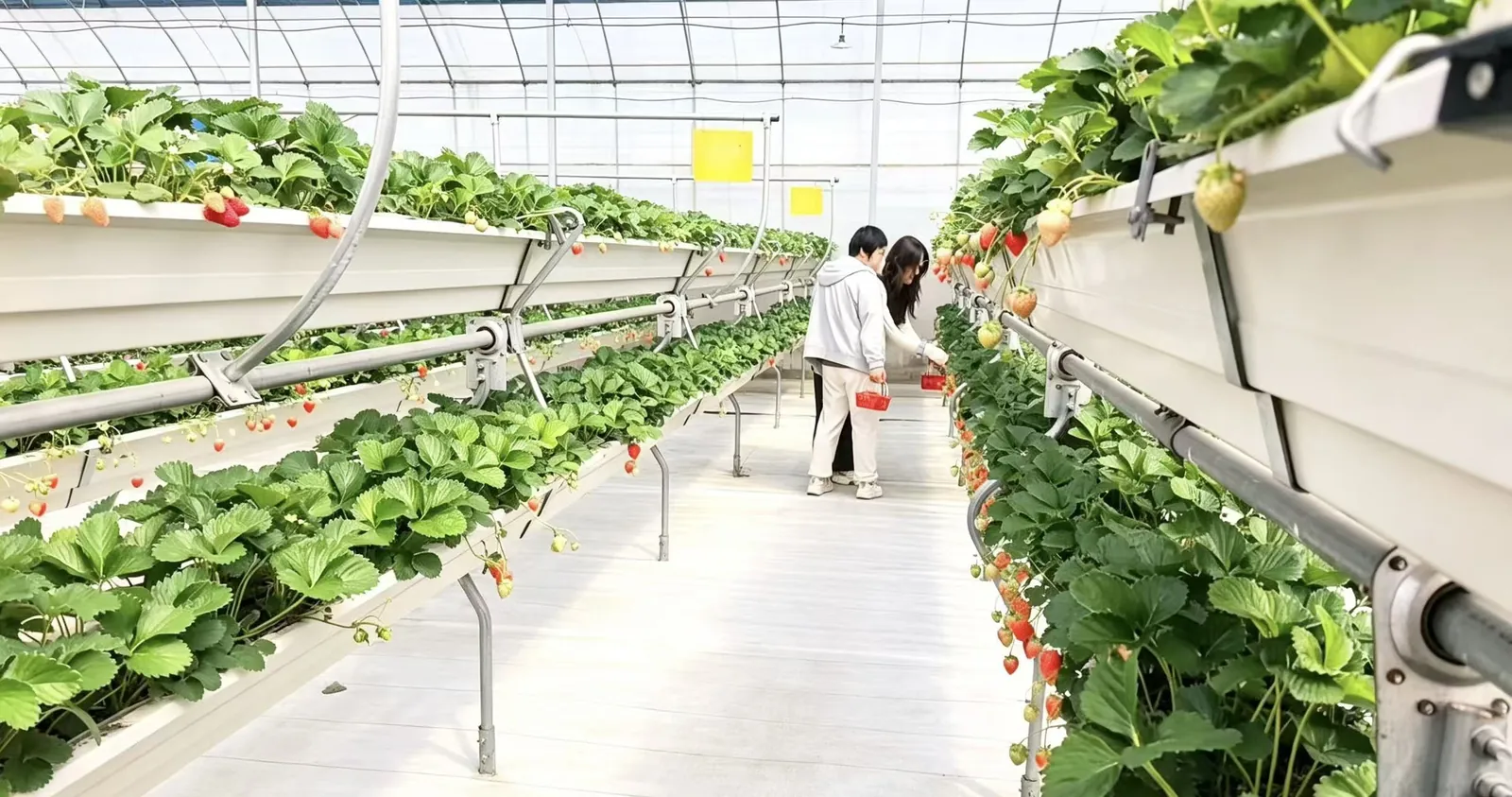
For Smartwell, AI-driven precision strawberry cultivation is not an isolated pilot project but a service segment where its controlled environment agriculture (CEA) platform is genuinely being brought to market. The company chose strawberries as one of its CEA platform applications because the crop combines high added value, demanding standardization requirements, large-scale cultivation, and strong commercial validation value. More importantly, related projects run by the company's China subsidiary have already been deployed across the Asia-Pacific region, providing a real-world foundation for replicating the platform across additional crops going forward.
Smartwell's Controlled Environment Agriculture Platform
Smartwell's controlled environment agriculture platform is not a simple greenhouse monitoring system, but an intelligent agricultural operating framework built around "sensing, AI models, decision-making, execution, and feedback." The system continuously analyzes crop status inside the greenhouse using sensors, environmental data, crop imagery, and growth-stage information, and applies the results of that analysis to guide irrigation, fertilization, ventilation, supplemental lighting, and other cultivation actions. This enables automated, precision cultivation that lowers labor, water, and fertilizer inputs while improving product quality and business returns, and drives continuous improvement in resource conservation, environmental performance, and ESG outcomes.
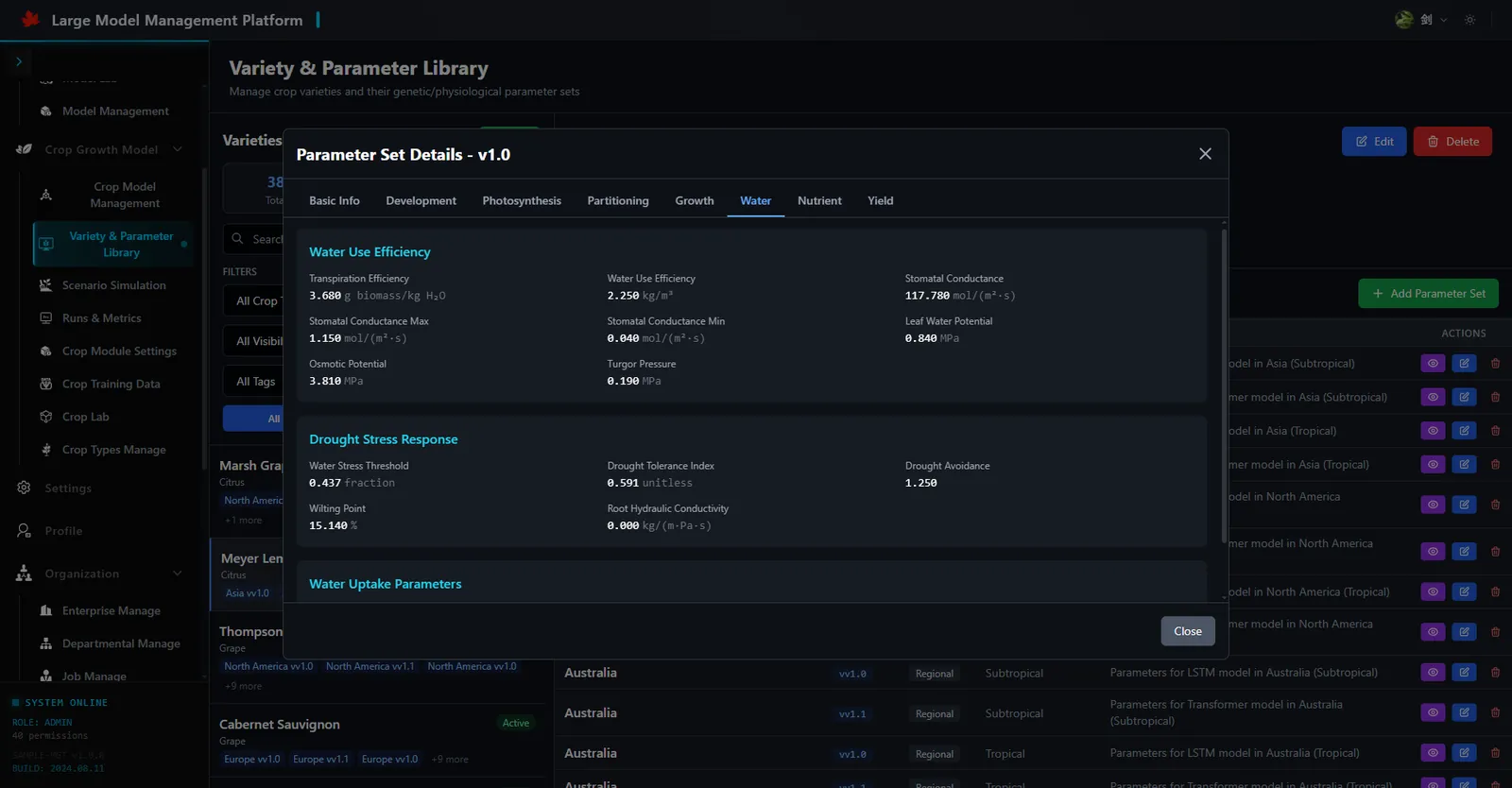
The core of this closed-loop architecture is not simply digitizing traditional experience, but making the AI model the "decision-making hub" of greenhouse cultivation. The model incorporates 173 influencing factors and more than 2,300 dynamic parameters, and is trained and optimized on more than 76 million crop growth data points and image samples. This enables the system not only to identify crop growth status, but also to make dynamic decisions and execution recommendations for different growth stages — for example, the strawberry model series focuses on the coordinated control of light, temperature, and nutrients during fruit ripening to produce fuller, sweeter fruit.
Project Implementation and Results
In traditional protected agriculture, growers typically rely on manual greenhouse patrols to gauge changes in temperature and humidity, manually adjust ventilation and supplemental lighting, schedule irrigation and fertilization by experience, and make manual corrections whenever readings such as air temperature, humidity, soil temperature and moisture, and CO2 fluctuate. By contrast, Smartwell's approach on the strawberry project was to first deploy environmental monitoring equipment, high-definition intelligent imaging equipment, multispectral capture equipment, ventilation control equipment, lighting control equipment, automated irrigation equipment, and precision fertilization equipment within the greenhouse, then connect all of this equipment to the CEA system. The platform centrally collects and analyzes the data and automatically issues control instructions based on the strawberry plants' growth stage, enabling automated, precision cultivation driven by the AI optimal crop growth model.
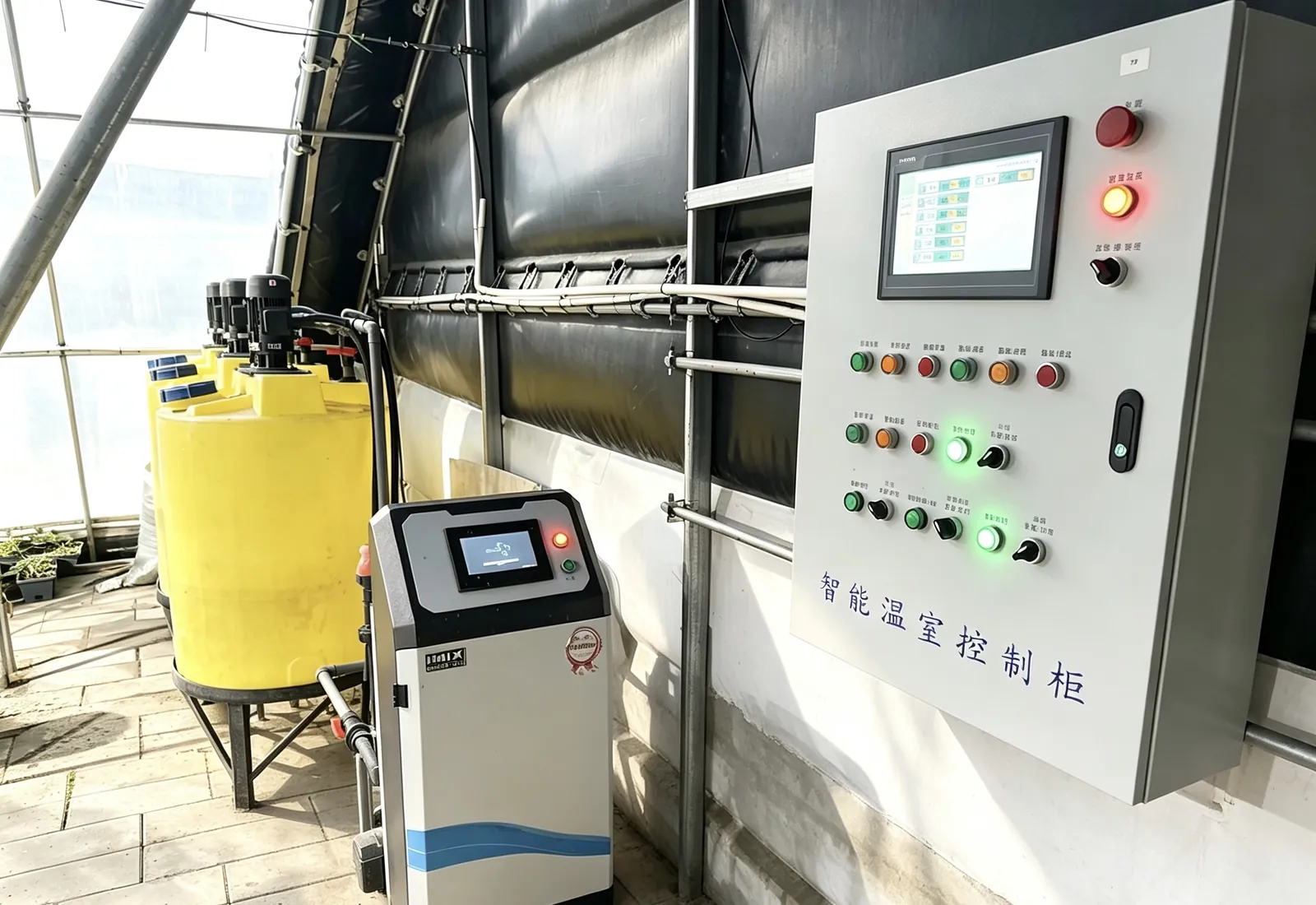
After the system went live, greenhouse operations changed markedly: temperature, humidity, lighting, irrigation, and fertilization management that once required repeated manual inspection is now continuously monitored and automatically adjusted by the system; localized corrections that once relied on experience-based judgment are now real-time decisions based on environmental data, crop imagery, and growth stage; and greenhouse management that once required manual, item-by-item operation has become a visualized, recordable, and traceable standardized process. For growers, this means fewer repetitive patrols, less manual adjustment, and less reliance on experience-based judgment, with more of the fine-grained management handled by the platform.
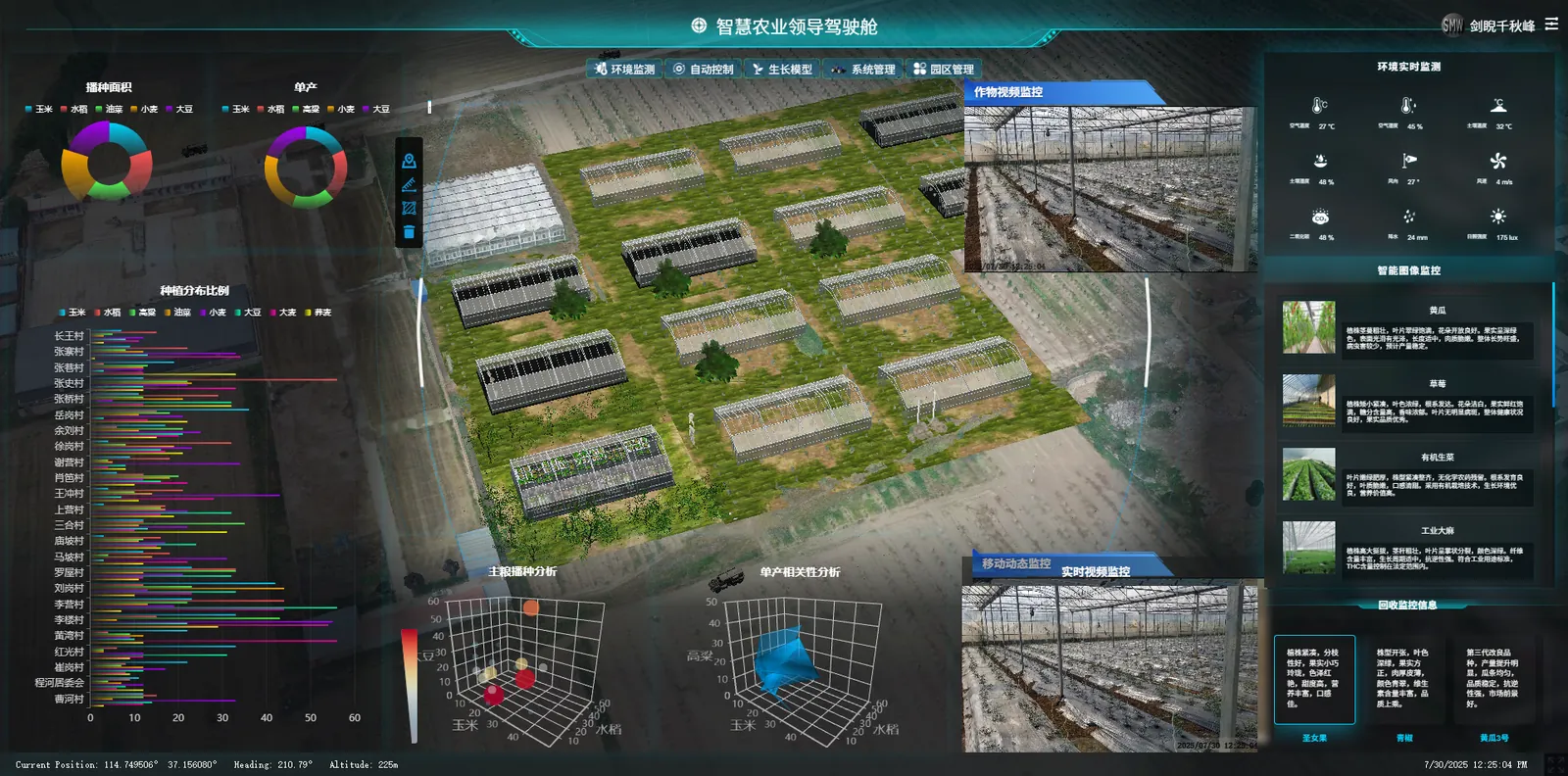
On the results side, follow-up assessments of strawberry cultivation at projects the company has completed and put into operation over the past three years (Client 1: Beijing Xingyan Agricultural Cooperative, August 2025, project value CAD 145,259.2; Client 2: Beijing Jinhuinong Agricultural Cooperative, August 2023, project value CAD 214,794.6; Client 3: Chongqing Lingli Intelligent Technology Co., Ltd., September 2023, project value CAD 353,000) indicate an average effective yield increase of approximately 16.7%, water savings of approximately 53%, fertilizer and pesticide savings of 23% to 28%, and a reduction in labor input of approximately 76%. Overall cultivation returns can improve by more than 26.6%, with a payback period of approximately 3 to 4 years. (Note: The above figures are based on Smartwell's internal calculations and customer follow-up visits; results for other crops may vary depending on variety, environment, management level, and project configuration.)
Customer Testimonial [General Manager, Beijing Jinhuinong Agricultural Cooperative]
"Before we connected to the Smartwell system, we had to rely on daily manual greenhouse patrols to keep an eye on temperature, humidity, light, and irrigation, and adjustments often lagged half a step behind whenever the weather changed. Since the system went live, a lot of tasks that used to require repeated manual handling can now be monitored and automatically adjusted through the platform — our time spent on repeat inspections, manual light adjustment, manual irrigation, and manual fertilization has dropped noticeably.
A more visible change is that strawberry quality has become more consistent, fruit shape more uniform, and harvest scheduling easier to plan. Fluctuations that once directly affected downstream shipping and sales timing are now flagged and adjusted for in advance by the system based on the crop's growth stage, making overall management steadier and costs more controllable. Based on how we calculated things in past years, our spend on labor, water and fertilizer, and repeat operations has come down — profit per greenhouse is now about CNY 20,000 (roughly CAD 4,000) higher than before we used the system. Each greenhouse covers about one mu (roughly 667 square meters): a greenhouse that used to sell for CAD 15,000 can now sell for CAD 17,500, after saving CAD 1,500 in water, electricity, fertilizer, and other input and labor costs."
Comments from Smartwell's CTO
"Strawberries are just one commercial application within Smartwell's library of crop models — over the past three years we have served a cumulative total of 5 companies growing strawberries. From the company's perspective, what we've done isn't sell a few environmental monitoring systems; it's continuously deploy and operate, in real cultivation settings, an integrated smart-farming solution that combines 'crop models + agricultural data + software platform + terminal execution,' and effectively help our customers increase their returns."
Smartwell Technology Corp.(多伦多证交所创业板:SMWE)今日重点展示其 AI 驱动草莓种植方案的商用成果,呈现智慧农业平台如何在真实可控环境农业(CEA)场景中,将作物生长模型、环境感知、数据分析与温室自动化控制有机整合。
草莓种植的真实痛点与市场潜力
草莓是兼具高附加值与规模化种植潜力的温室作物之一。与普通作物相比,草莓对温度、湿度、光照、灌溉、养分及病虫害管理更为敏感——任何一个因素的波动都可能影响果实品质。Costco、山姆会员店等大型采购商对供应链品质与产量的稳定性要求极高,而传统种植方式下不合规果实带来的高损耗率,会打乱上市节奏,最终影响种植者的整体收益。
对 Smartwell 而言,AI 精准草莓种植并非孤立的试点项目,而是其 CEA 平台真正走向市场的服务板块。公司选择草莓作为 CEA 平台的切入应用之一,正因为该作物兼具高附加值、严苛的标准化要求、规模化种植条件与强有力的商业验证价值。更重要的是,公司中国子公司运营的相关项目已在亚太地区多点位落地,为平台向更多作物复制提供了现实基础。
Smartwell 的可控环境农业平台
Smartwell 的可控环境农业平台并非简单的温室监测系统,而是围绕「感知—AI 模型—决策—执行—反馈」构建的智慧农业操作系统。系统通过传感器、环境数据、作物影像与生育期信息持续分析温室内作物状态,并将分析结果用于指导灌溉、施肥、通风、补光等农事动作,实现自动化精准种植——在降低人工、水电与肥料投入的同时,提升产品品质与经营回报,并持续改善资源节约、环境表现与 ESG 成效。
这套闭环架构的核心不是把传统经验数字化,而是让 AI 模型成为温室种植的「决策中枢」。模型纳入 173 项影响因子、超过 2,300 项动态参数,基于超过 7,600 万条作物生长数据与图像样本训练优化。这使系统不仅能识别作物长势,还能针对不同生育期给出动态决策与执行建议——例如草莓系列模型聚焦果实转色期的光、温、养分协同调控,让果实更饱满、更甜。
项目实施与成效
在传统设施农业中,种植者通常依靠人工巡棚感知温湿度变化,手动调整通风与补光,凭经验安排灌溉施肥,并在气温、湿度、土温土湿、CO2 等指标波动时进行人工纠偏。相比之下,Smartwell 在草莓项目中的做法是:先在温室内部署环境监测设备、高清智能成像设备、多光谱采集设备、通风控制设备、灯光控制设备、自动化灌溉设备与精准施肥设备,再将全部设备接入 CEA 系统。平台集中采集与分析数据,并基于草莓生育期自动下发控制指令,实现由 AI 最优作物生长模型驱动的自动化精准种植。
系统上线后,温室作业发生显著变化:过去需要反复人工巡查的温、湿、光、灌溉、施肥管理,如今由系统持续监测、自动调节;过去依赖经验判断的局部纠偏,如今变成基于环境数据、作物影像与生育期的实时决策;过去需要逐项手动操作的温室管理,如今成为可视化、可记录、可追溯的标准化流程。对种植者而言,重复巡棚更少、手动调节更少、对经验的依赖更少,精细化管理的大部分交由平台完成。
成效方面,对公司过去三年已完成并投入运营的草莓种植项目的跟踪评估(客户一:Beijing Xingyan Agricultural Cooperative,2025 年 8 月,项目金额 CAD 145,259.2;客户二:Beijing Jinhuinong Agricultural Cooperative,2023 年 8 月,项目金额 CAD 214,794.6;客户三:Chongqing Lingli Intelligent Technology Co., Ltd.,2023 年 9 月,项目金额 CAD 353,000)显示:平均有效增产约 16.7%,节水约 53%,节肥节药 23%–28%,人工投入减少约 76%;整体种植收益可提升 26.6% 以上,投资回收期约 3–4 年。(注:以上数据基于 Smartwell 内部测算与客户回访;其他作物的效果可能因品种、环境、管理水平与项目配置而异。)
客户证言[Beijing Jinhuinong Agricultural Cooperative 总经理]
「接入 Smartwell 系统之前,我们每天都要靠人工巡棚盯着温度、湿度、光照和灌溉,天气一变,调整总慢半拍。系统上线后,很多过去需要反复人工处理的工作,现在通过平台就能监控和自动调节——重复巡查、手动补光、手动灌溉、手动施肥的时间明显减少。
更直观的变化是草莓品质更稳定、果形更均匀、采收计划更好安排。过去直接影响下游发货和销售时机的波动,现在系统能根据作物生育期提前预警、提前调整,整体管理更稳、成本更可控。按往年的算法,我们在人工、水肥和重复作业上的花费都降了下来——每栋棚的利润比没用系统前高出约 2 万元人民币(约合 4,000 加元)。每栋棚约一亩(约 667 平方米):过去一栋棚卖 15,000 加元,现在能卖到 17,500 加元,还省下了水、电、肥等投入和人工成本 1,500 加元。」
Smartwell CTO 点评
「草莓只是 Smartwell 作物模型库中的一个商用化应用——过去三年我们累计服务了 5 家草莓种植企业。从公司视角看,我们做的不是卖出几套环境监测系统,而是在真实种植场景中持续部署和运营『作物模型+农业数据+软件平台+终端执行』一体化的智慧农业方案,切实帮助客户提升收益。」
← 客户场景